Scheduled Inspections
TCEQ-compliant inspection intervals with detailed reporting on every visit — no missing paperwork at renewal.
Septic Maintenance
Quality maintenance using detailed inspection techniques to lower long-term costs and prevent emergency repairs — the small work that stops the big bills.
Whether you're on a regular contract or need one-off help, here's what we do when we show up.
TCEQ-compliant inspection intervals with detailed reporting on every visit — no missing paperwork at renewal.
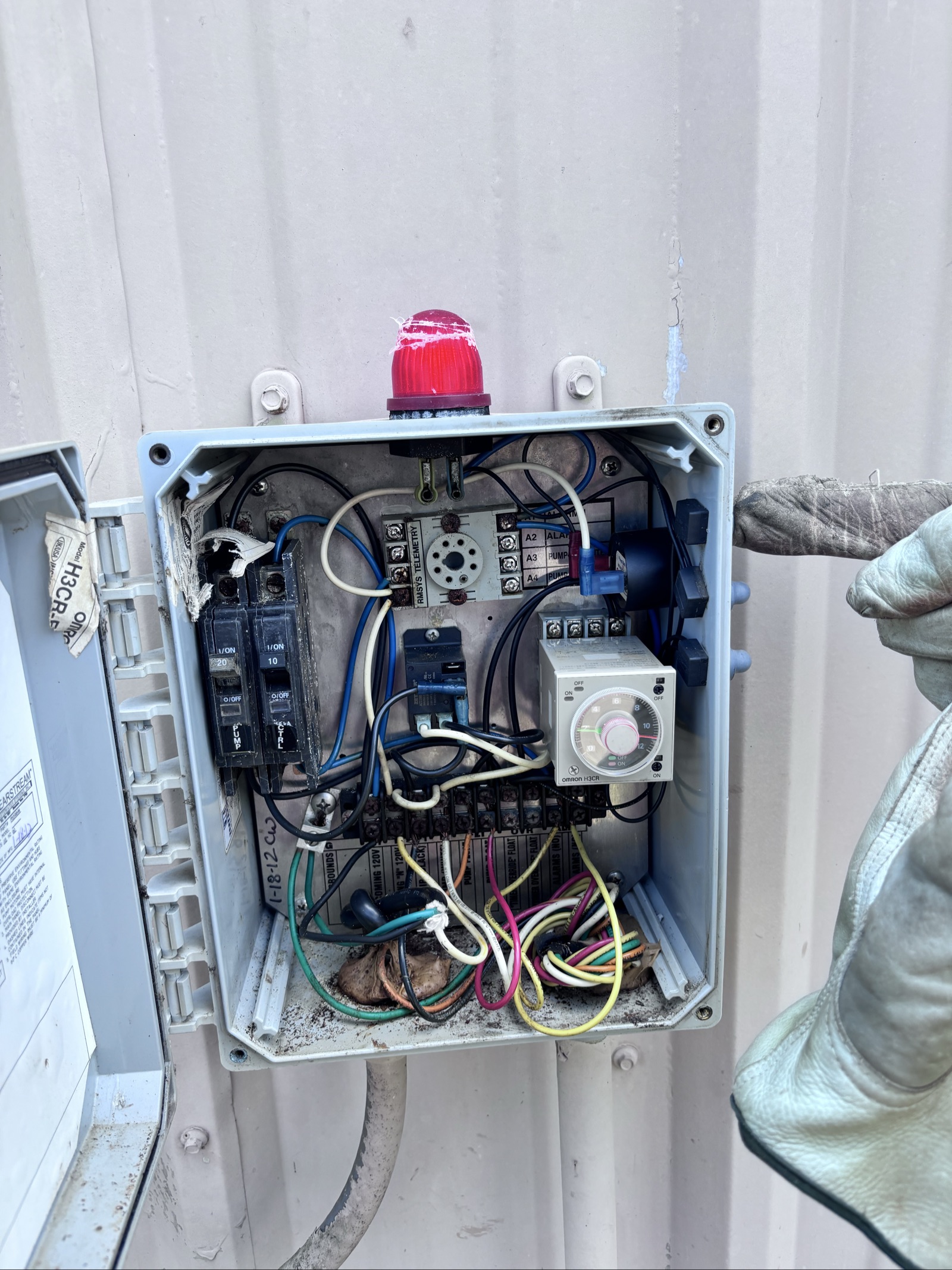
The panel is beeping. The red light is on. We diagnose why — often onsite, in one visit.
Vacuum service for tank pumping when your system needs it — not on an arbitrary calendar.
Buying or selling? Get a documented inspection buyers, lenders, and closing agents will accept.
Aerators, pumps, floats, spray heads, and control panels — repaired with OEM parts where possible.
Every visit ends with what we found, what we did, and what to watch for before the next appointment.
Your daily habits do more for system life than any single service call. The short list:
Hitting the system with five back-to-back loads overloads the aerobic treatment cycle. Two per day is kind to the tank.
If the breaker trips, the system stops treating and warning lights won't warn. Reset it — and call if it happens again.
They don't break down. They wrap around the pump. Nothing on the packaging changes that.
Grease coats the treatment media and shortens system life dramatically. Wipe the pan, scrape the pot, save the pipes.
Chlorine keeps your discharge safe for the spray field. Run out and you're out of TCEQ compliance — and the neighbors will notice.
The right refill frequency depends on your household size, water use, and chlorinator design. It's not the same for every home.
On your maintenance visit we'll show you how to check the level and tell you what refill cadence fits your specific system.
Read the chlorinators guideAuto-Tracts℠ contracts
Automated online contract renewal and management starting at $22/month with secure payment options. Set it once — we handle the reminders, the paperwork, and the scheduled visits.
See contract plansNever lapse on TCEQ-required maintenance again.
Card or ACH — processed through a secure gateway.
Change plans or cancel online. No phone-tree obstacles.
We call to book — you don't have to remember.
Pick a plan below to get started. Cancel or switch plans anytime, right from your account.
The three questions we field most often about aerobic system care.
Start a maintenance contract or book a one-time inspection.